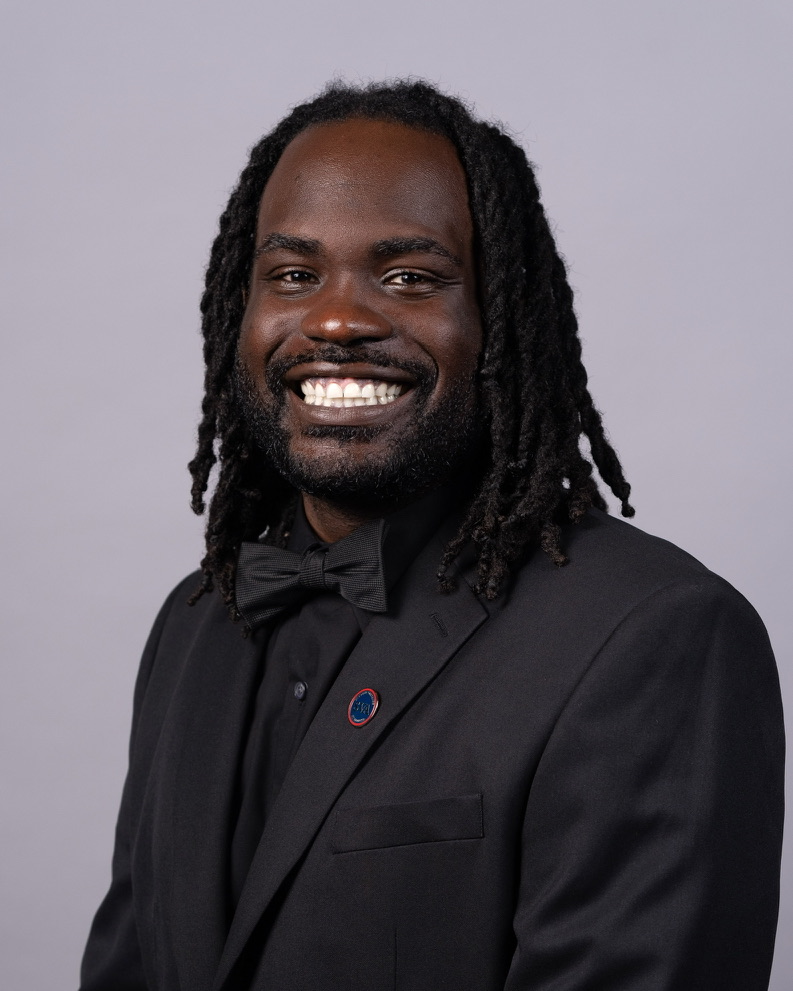
Mobility Safe did not begin as an abstract technology concept.
It began with a clinical workflow problem.
As an occupational therapist working in skilled nursing and post-acute
rehabilitation, Antonio Johnson regularly worked with residents whose
mobility needs changed throughout recovery. Therapy could establish a
transfer level, device, precautions, cueing needs, or number of staff
required, but that guidance still had to reach nursing, CNAs,
restorative staff, and other members of the care team throughout the day.
A second problem was equally familiar. When a mobility task required
another staff member, finding help could mean leaving the resident,
walking hallways, checking nursing stations, calling departments, or
waiting until someone happened to be nearby. The issue was not a lack
of caring people. It was the absence of a simple workflow connecting
the person who needed help with the person who could respond.
Antonio's broader background reinforced that interest in practical
systems. His healthcare experience began in the U.S. Navy and later
expanded through healthcare administration, occupational therapy,
rehabilitation leadership, education, and community service. Those
experiences shaped a view of technology as something that should reduce
friction for the people doing the work rather than create another layer
they have to work around.
Mobility Safe Technology grew from a simple question:
Can mobility information and staff assistance be easier to reach at
the exact moment care is being provided?